

 8801 Fast Park Dr Suite


A few simple checks can help make a medical transportation ride easier to coordinate. Confirm the trip, gather needed items, and make sure the transportation provider knows what support the passenger needs.
Use this guide before a planned appointment in Raleigh, Durham, or Northeast North Carolina. It focuses on preparation before pickup. For details about booking, boarding, and the ride itself, read What to Expect on Your First NEMT Ride. For a broader overview of services and ride types, see our NEMT guide for Raleigh and Northeast North Carolina.
The Day Before: Confirm the Ride
Check the reservation the day before the appointment, if possible. Confirm:
- Pickup date, address, entrance, and pickup window
- Appointment time and destination address
- The vehicle type and level of assistance booked
- Whether the ride includes a return trip and how to arrange it
- The provider’s instructions for delays or cancellations
- The phone number to call if plans change
Tell the provider about any change in the passenger’s mobility or equipment. Confirm whether a caregiver or companion can ride along. Policies and availability can vary, so ask rather than assume.
If the ride is arranged through NC Medicaid, follow the instructions for the passenger’s specific plan or program. NC Medicaid says to request a ride at least two days before an appointment; NC Medicaid Direct beneficiaries should request one at least four days in advance. Check the NC Medicaid NEMT page for current instructions and contact information.

Prepare Mobility Equipment
Set out the equipment the passenger will use. Tell the provider what is coming with the passenger so they can confirm the correct vehicle and arrangements.
- Power wheelchair or scooter: Charge it according to the manufacturer’s instructions. Bring its charger if needed. Tell the provider whether the passenger will remain in the chair during the ride.
- Manual wheelchair: Check that brakes work and that removable parts, such as footrests, are ready. Ask the provider how the chair will be transported.
- Walker, cane, or crutches: Make sure the equipment is in working condition and ready to go. Ask how it will be secured during the trip.
- Oxygen: Tell the provider in advance what equipment the passenger uses, including whether it is a tank or portable concentrator. Ask how to bring and secure it, and confirm that the passenger has enough oxygen or battery capacity for the planned trip. Do not assume the vehicle supplies oxygen or manages oxygen equipment.
- Other items: Mention cushions, transfer equipment, or other devices that affect boarding or seating.
Do not change how the passenger uses prescribed equipment just to prepare for transport. Contact the provider with questions about what can be accommodated.

Gather Items for Pickup
Put essential items in one small bag. Keep it within reach of the passenger or caregiver.
Pack:
- Photo ID, if available
- Insurance or Medicaid card
- Appointment details and the clinic’s phone number
- A current medication list, including allergies
- Any medications or personal medical supplies needed during the trip
- Phone and charger
- Water and a snack, if appropriate for the passenger and appointment
- Copay or payment, if the clinic or transportation provider requires it
For a longer appointment, such as dialysis, plan for the full outing. Ask the care team whether food or fluids need to be limited before, during, or after treatment. Follow those instructions instead of packing a snack or drink that conflicts with the patient’s care plan.
Choose Comfortable Clothing
Dress for comfort and safe boarding. Choose clothing that allows the passenger to sit comfortably and move as needed. Use layers in case the vehicle or clinic feels cool. Select shoes that fit securely and are easy to put on.
Avoid loose items that may catch on mobility equipment. If the passenger uses a wheelchair or stretcher, choose clothing that will remain comfortable while seated or lying down. Bring a light blanket only if it can be safely stored and the provider allows it.
Plan for the Bathroom and Home
Allow time for the passenger to use the bathroom before pickup. Do not rush or change prescribed medication or fluid routines to fit the ride schedule. If the passenger may need extra time or assistance, include that in the pickup plan and tell the provider.
Before leaving, check the home:
- Clear the route from the passenger’s room to the pickup point.
- Move loose rugs, cords, and other obstacles.
- Secure pets in a separate area.
- Turn off lights or appliances as needed.
- Lock doors and windows.
- Keep keys, phone, and ride details with the person responsible for securing the home.
If the passenger needs door-to-door support, confirm that service when booking. Assistance levels differ by provider and reservation.
Coordinate Family Updates
Choose one family member or caregiver to be the main contact for ride updates. Share the provider’s number and the confirmed pickup window with that person.
Agree on how updates will be shared. For example, decide who will tell other family members when the vehicle arrives, when the passenger reaches the appointment, and when the return trip is arranged. If the appointment may run long, ask the provider how to request or confirm the return ride.
Keep the passenger’s phone charged and nearby, if possible. If a family member will meet the vehicle at pickup or the clinic, confirm the location and timing with them in advance.
Extra Preparation for Wheelchair or Stretcher Riders
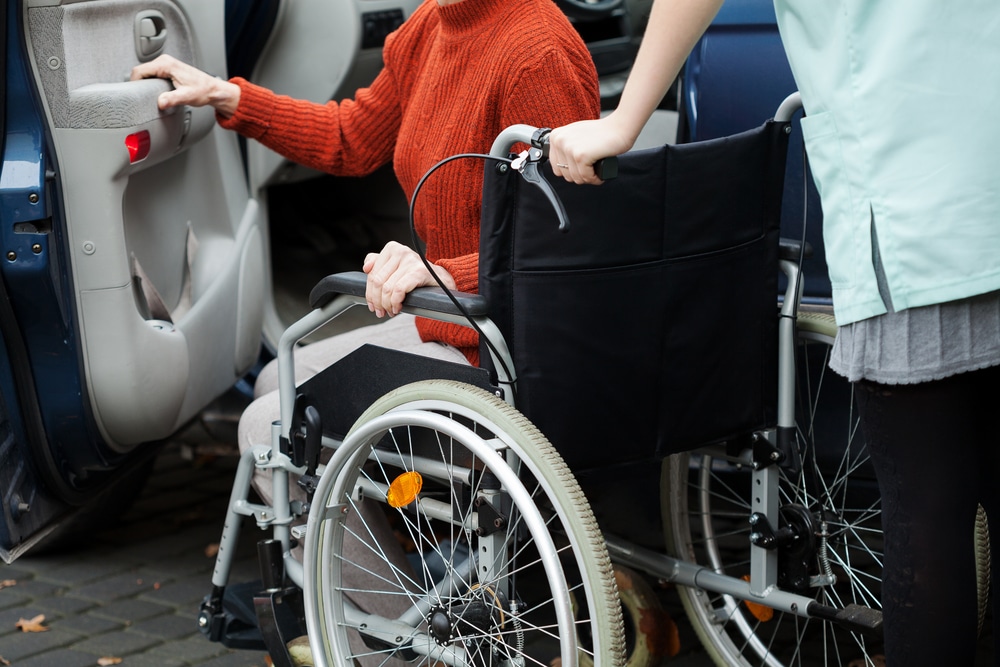
For wheelchair transportation, confirm whether the passenger transfers to a vehicle seat or stays in the wheelchair. Share the chair type and any relevant size or equipment details when booking. Make sure the passenger has the support needed to board safely.
For stretcher transportation, confirm with the provider that the booked service is suitable for the passenger’s condition and needs. Share relevant transfer and positioning requirements. Ask whether a family member or attendant may travel with the passenger and what should be ready at pickup.
If you are unsure whether the passenger needs a wheelchair vehicle, stretcher service, or another type of transport, ask the healthcare provider or discharge planner. NEMT is for planned, non-emergency trips. For a medical emergency, call 911.
Printable 10-Minute Pre-Ride Checklist
Ride details
- Confirm pickup date, address, entrance, and time window.
- Confirm appointment address, ride type, and return-trip plan.
- Save the provider’s phone number and cancellation instructions.
- Tell the provider about mobility equipment, oxygen, or assistance needs.
Passenger and equipment
- Charge the power wheelchair or other battery-powered equipment.
- Check the walker, cane, wheelchair brakes, or other equipment.
- Set out oxygen and confirm its transport arrangements with the provider.
- Use the bathroom before pickup, without changing care instructions.
- Dress in comfortable layers and secure, easy-on shoes.
Bag and home
- Pack ID, insurance card, appointment details, and medication list.
- Add phone, charger, and any needed personal supplies.
- Pack water or a snack only if permitted by the care plan.
- Clear the route, secure pets, and lock the home before leaving.
Family coordination
- Choose the main family contact for updates.
- Share the pickup window and provider contact details.
- Confirm who will assist at pickup or meet the passenger at the destination.
For service questions or to arrange a ride, review Ivel 7 Medical Transport’s services or book a ride. Confirm the passenger’s needs and trip details with the provider before pickup.