

 8801 Fast Park Dr Suite


Families in Northeast North Carolina may need to travel long distances for medical care. Local clinics may not offer every specialty. Public transportation may have limited routes, limited operating hours, or no direct connection to a hospital.
This makes reliable non-emergency medical transportation important for residents in Greenville, Rocky Mount, Wilson, Goldsboro, Henderson, Roanoke Rapids, and surrounding rural counties.
Use this guide to compare providers, plan longer trips, and confirm insurance or Medicaid transportation options.
Why Rural Medical Transportation Requires Advance Planning
Rural transportation does not work like city transportation. Fixed bus routes may not reach remote homes, medical offices, or specialty hospitals. Demand-response transit may require advance reservations. Service may also operate only during set hours.
A medical appointment in Raleigh, Durham, or Greenville can require several hours of travel. The trip may include:
- Pickup from a rural home
- Travel on local and state highways
- Traffic near Raleigh, Duke, or Greenville
- Check-in time at the medical facility
- Waiting for discharge or a return ride
- Travel back home
Do not schedule a rural medical trip based only on the appointment time. Ask the provider to calculate pickup time, travel time, facility access, and return transportation.
North Carolina has rural and regional transit systems that provide demand-response transportation. Availability varies by county, destination, funding, and vehicle capacity. Review the North Carolina Department of Transportation public transportation resources for local transit information.
Start by Defining the Rider’s Transportation Needs
Before contacting a provider, list the rider’s needs. Give complete information during the first call.
Identify whether the rider:
- Walks independently
- Uses a cane, walker, or portable oxygen
- Uses a manual or power wheelchair
- Needs a wheelchair-accessible vehicle
- Needs help entering or leaving the vehicle
- Needs door-to-door assistance
- Requires a caregiver or family member to ride along
- Has a medical appointment with a fixed arrival time
- Needs transportation home after a hospital discharge
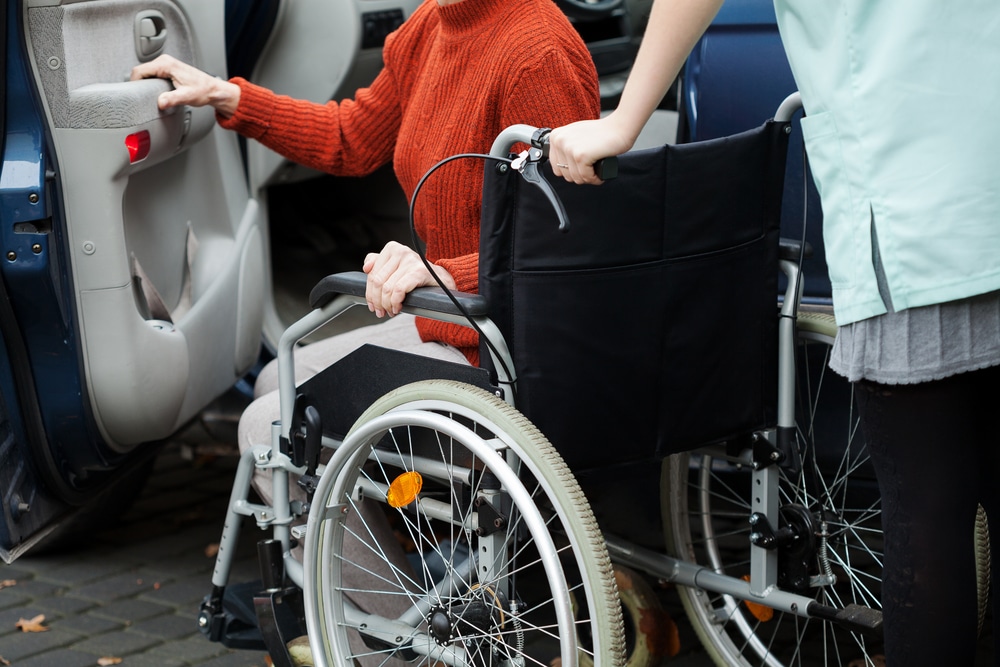
Use the correct service level. Ambulatory transportation may work for a rider who can enter and exit a vehicle with little assistance. Wheelchair transportation may be necessary when the rider remains in the wheelchair during travel.
Ask whether the vehicle can safely accommodate the rider’s equipment. Do not assume that every van can transport a power wheelchair, oxygen equipment, or other mobility devices.
What to Look for in a Rural NEMT Provider
Use the following checklist when comparing a non-emergency medical transportation near me search result or local provider.
1. Confirm the Service Area
Ask whether the provider serves your specific town, county, and destination.
For example, confirm service for routes involving:
- Greenville and Pitt County
- Rocky Mount, Nash County, or Edgecombe County
- Wilson County
- Goldsboro and Wayne County
- Henderson and Vance County
- Roanoke Rapids and Halifax County
- Raleigh and Wake County
- Durham and Duke medical facilities
A provider may serve one city but not nearby rural communities. Confirm the complete route. Ask whether the company accepts long-distance trips from rural homes to Raleigh, Duke, UNC, or Greenville.
Ivel 7 Medical Transport is based in Raleigh and provides services that include doctor’s appointments, hospital admissions and discharges, dialysis, physical therapy, rehabilitation, ambulatory transportation, and wheelchair transportation. Review the company’s NEMT services and confirm availability for your pickup location and destination.
2. Ask About Vehicle Accessibility
Request specific vehicle information. Ask whether the provider has:
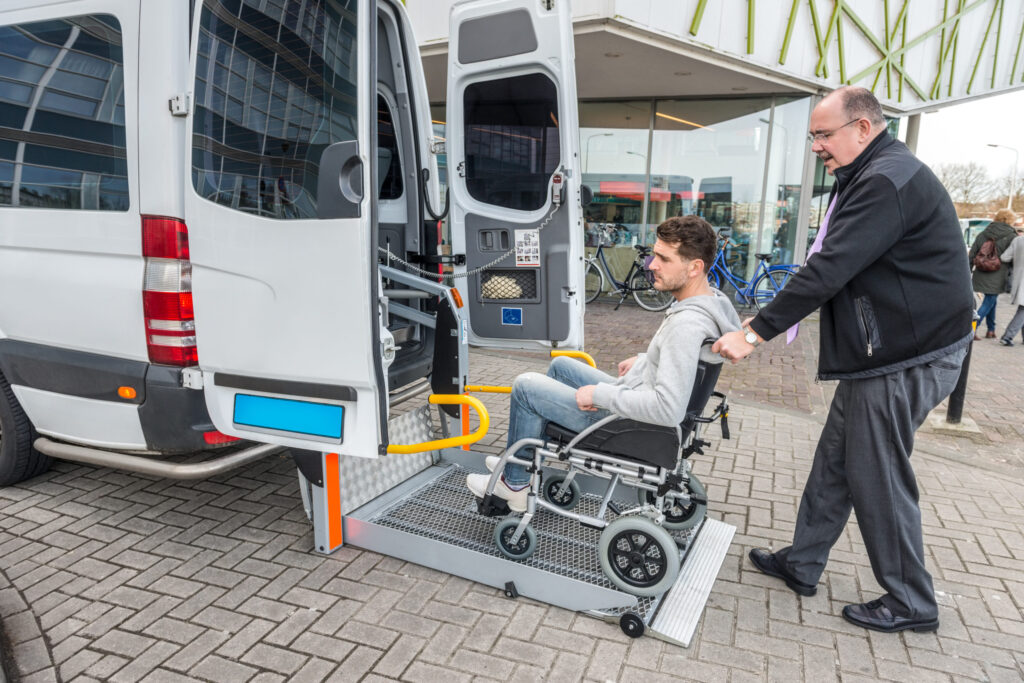
- Wheelchair-accessible vans
- Ramps or lifts
- Wheelchair securement systems
- Space for walkers
- Safe seating for ambulatory riders
- Equipment for long-distance travel
A wheelchair should remain secured during transport when the rider stays in the wheelchair. The driver should explain the boarding and securement process before departure.
3. Check Driver Training and Insurance
Ask whether drivers are licensed, trained, and insured for the transportation service provided. Ask how drivers assist riders who need help at the door, ramp, elevator, or medical facility entrance.
Also ask what the driver can and cannot do. NEMT drivers provide transportation and mobility assistance. They do not replace emergency medical personnel. Call 911 for an emergency.
Ivel 7 Medical Transport states that its drivers are licensed and trained to provide safe and supportive transportation. Read the company information page for additional details.
4. Request Clear Pricing
Long rural trips may involve mileage, wait time, tolls, wheelchair service, or additional stops. Request a written estimate before booking.
Ask:
- Is pricing one-way or round-trip?
- Does the quote include waiting time?
- What happens if the appointment runs late?
- Is there a cancellation fee?
- Is a caregiver included?
- Is wheelchair equipment included?
- Are there additional charges for early morning or after-hours trips?
Do not compare providers using the base fare alone. Compare the full cost of the planned trip.
5. Confirm Communication Procedures
Rural trips require reliable communication. Ask how the provider confirms the reservation and updates the rider.
Confirm:
- Booking confirmation method
- Driver contact information
- Pickup window
- Late-arrival procedure
- Return-trip procedure
- After-hours contact options
Save the provider’s phone number. Give clear directions for rural roads, long driveways, apartment entrances, mobile homes, and locations without visible street numbers.
Plan for Long Trips to Raleigh, Duke, or Greenville
Plan long-distance appointments earlier than local appointments. Request transportation as soon as the appointment is confirmed.
Use this process:
- Record the appointment date and time.
- Confirm the full medical facility name.
- Provide the correct entrance or department.
- Share mobility and equipment needs.
- Request an appropriate pickup window.
- Confirm the return ride.
- Ask about waiting time.
- Save all confirmation numbers and phone contacts.
Allow extra time for rural roads, construction, weather, and traffic near Raleigh or Durham. Duke and other large medical centers may have multiple buildings and entrances. Ask the provider where the rider will be dropped off.
For hospital discharge, do not schedule a return ride until the facility can provide an expected discharge time. If the discharge time changes, contact the transportation provider immediately.

Understand Medicaid and Insurance Transportation Rules
Medicaid transportation rules depend on the rider’s plan.
For NC Medicaid Direct, transportation is generally arranged through the county Department of Social Services where the beneficiary is physically located. For NC Medicaid Managed Care, the health plan or its transportation broker generally arranges the ride.
Review the North Carolina Medicaid NEMT information before scheduling. You can also contact the member services number on the Medicaid card.
Ask these questions:
- Is the appointment covered by Medicaid?
- Do I need prior approval?
- How many business days in advance must I schedule?
- Is the ride arranged through the health plan or county DSS?
- Can I request a wheelchair-accessible vehicle?
- Can a caregiver ride with the patient?
- Is the provider part of the plan’s transportation network?
- What is the procedure for a late appointment or missed pickup?
Do not assume that a private provider accepts Medicaid directly. Some providers work through a broker. Others offer private-pay transportation only. Confirm payment arrangements before the trip.
Use a Local Provider Familiar With the Region
A provider familiar with Northeast North Carolina can help identify common route issues. This includes rural addresses, hospital entrances, long-distance scheduling, return-trip coordination, and travel between counties.
Local knowledge does not replace licensing, insurance, vehicle safety, or clear pricing. Use regional experience as one part of the evaluation.
When searching for medical transport Raleigh NC, check whether the provider also serves rural pickup locations outside the Triangle. A Raleigh-based company may not automatically serve every Northeast North Carolina county.
Schedule a Ride With Ivel 7 Medical Transport
Use the Ivel 7 Medical Transport booking page to request an appointment. Provide the rider’s location, destination, appointment time, mobility needs, and return-trip requirements.
Confirm service availability before making final arrangements. For a rural or long-distance trip, schedule early and provide complete information.
Reliable transportation helps patients reach routine appointments, dialysis, therapy, hospital admissions, discharges, and specialty care. Start planning early. Confirm the vehicle. Verify the payment method. Save the provider’s contact information.
Frequently Asked Questions
What is non-emergency medical transportation?
Non-emergency medical transportation helps patients travel to healthcare appointments when they do not need an ambulance or emergency medical response. Services may include ambulatory, wheelchair, door-to-door, hospital, dialysis, and rehabilitation transportation.
Can NEMT take rural patients to Raleigh or Duke?
Some providers offer long-distance transportation from rural counties to Raleigh, Durham, Duke, or other specialty facilities. Confirm the provider’s service area, pricing, vehicle type, and return-trip policy before booking.
How early should rural families schedule transportation?
Schedule as soon as the appointment is confirmed. Medicaid plans, county transit systems, and private providers may require advance notice. Long-distance and wheelchair trips may require additional planning time.
Does Medicaid pay for medical transportation?
North Carolina Medicaid may cover transportation to eligible covered services. The scheduling process depends on whether the rider has NC Medicaid Direct or a Medicaid Managed Care plan. Contact the county DSS office or health plan listed on the Medicaid card for current instructions.
What should I do if the appointment runs late?
Ask about the late-appointment policy before the trip. Contact the provider as soon as you know the appointment will run past the scheduled return time. Do not leave the rider without a confirmed transportation plan.