

 8801 Fast Park Dr Suite
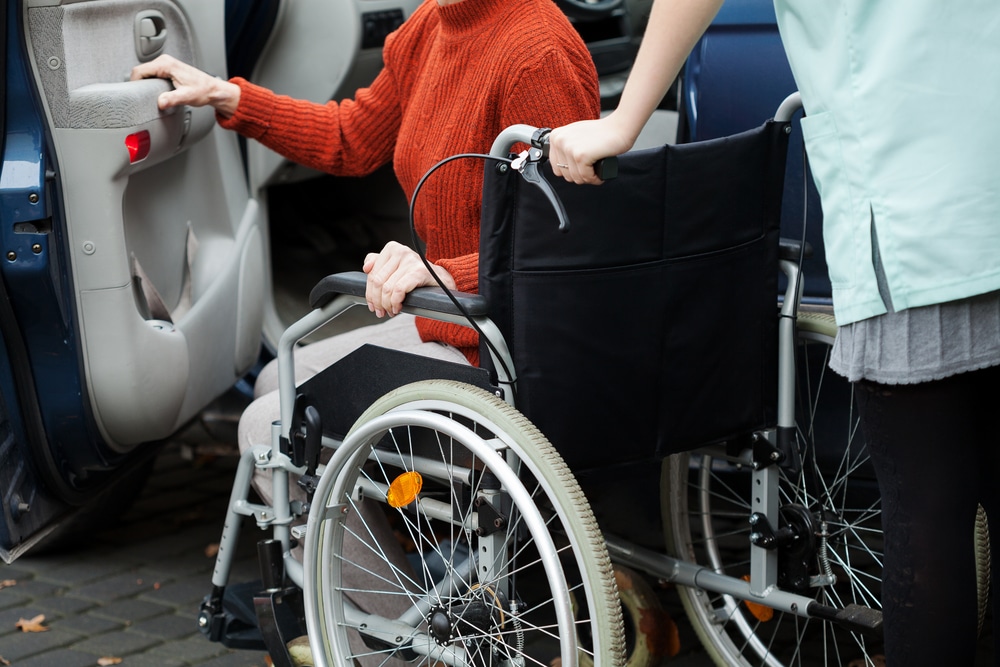
Non-emergency medical transportation, or NEMT, helps people reach medical appointments when driving or public transportation is not a safe or practical option.
NEMT may include transportation to doctor’s appointments, dialysis, physical therapy, rehabilitation, hospital admissions, hospital discharges, and other healthcare services. The right ride can help reduce missed appointments, simplify family scheduling, and provide safer travel for people with mobility needs.
Ivel 7 Medical Transport provides wheelchair and ambulatory transportation in Raleigh and surrounding areas. Review the company’s NEMT services to identify the appropriate type of trip.
1. Older Adults Who No Longer Drive
Many older adults stop driving because of changes in vision, balance, reaction time, memory, or physical strength. Others may still drive locally but cannot manage longer trips, heavy traffic, or unfamiliar medical facilities.
The transportation problem:
- Family members may live far away.
- Public transportation may require too much walking or standing.
- Rides from friends may not be available for every appointment.
- Medical visits may occur during work hours.
How NEMT helps:
Schedule a medical ride for routine appointments, testing, therapy, or specialist visits. Depending on the rider’s needs, choose ambulatory or wheelchair transportation. Door-to-door assistance may also reduce the distance the passenger must travel between the home and vehicle.
Senior medical transportation can provide a repeatable option for appointments instead of relying on last-minute favors. This can help older adults maintain regular healthcare routines while allowing family members to focus on coordination and support.
2. Patients With Mobility Challenges or Disabilities
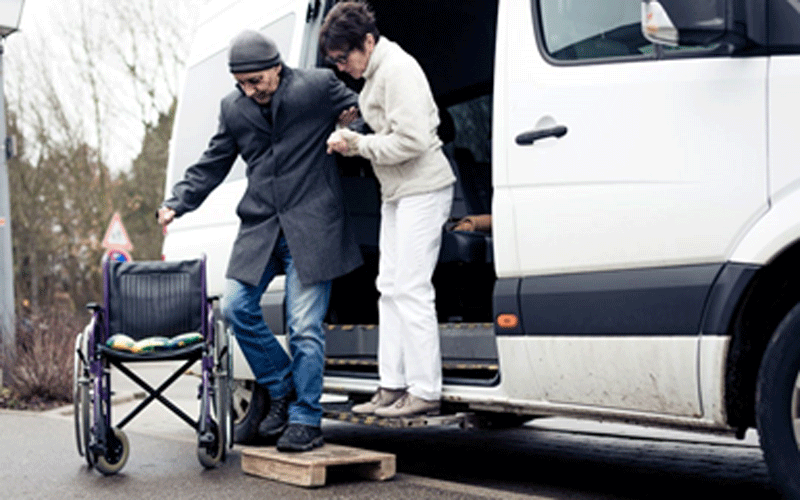
People who use wheelchairs, walkers, canes, or other mobility devices may not be able to use a standard car safely. Some passengers can walk short distances but need support when entering, exiting, or moving across a parking lot.
The transportation problem:
- Standard vehicles may not accommodate a wheelchair.
- Folding and lifting mobility equipment can be difficult.
- Uneven sidewalks and long hospital entrances can create safety risks.
- A passenger may need more time and assistance than a rideshare service provides.
How NEMT helps:
Request a vehicle and service level that match the passenger’s mobility needs. Ivel 7 offers wheelchair-accessible and ambulatory transportation. Confirm whether the passenger will remain in the wheelchair during travel or transfer to a vehicle seat.
Provide accurate information when booking. State the type of mobility device, the number of passengers, the pickup location, and the amount of assistance required. This helps the transportation provider plan the trip correctly.
3. Patients With Recurring Treatment Schedules
Some patients need transportation several times each week or month. Common examples include dialysis, chemotherapy, radiation, wound care, physical therapy, rehabilitation, and recurring specialist appointments.
The transportation problem:
- Missing one appointment can disrupt a treatment plan.
- Patients may feel tired or unwell after treatment.
- Family members may not be able to provide repeated rides.
- Appointment times may be early, late, or difficult to match with public transit.
How NEMT helps:
Arrange transportation in advance and provide the full treatment schedule. Ask whether recurring trips can be scheduled together. Confirm pickup times for both the appointment and return trip.
Ivel 7 provides transportation for dialysis appointments, physical therapy, rehabilitation, and other non-emergency medical trips. Patients should still confirm the ride schedule before each appointment and report any changes as early as possible.
4. Patients Recovering From Surgery
After surgery, a patient may not be cleared to drive. Temporary pain, limited movement, weakness, or medication side effects can also make a personal vehicle unsafe.
The transportation problem:
- The patient may need help getting from the home to the vehicle.
- Entering or exiting a car may cause pain or balance problems.
- Follow-up appointments may occur before the patient can resume driving.
- Family members may have work or childcare responsibilities.
How NEMT helps:
Book transportation for post-operative checkups, wound care, physical therapy, rehabilitation, and hospital discharge trips. Tell the provider about movement restrictions and equipment such as crutches, walkers, or wheelchairs.
Ask the medical team what level of transportation is appropriate. NEMT is intended for non-emergency travel. If the patient has severe symptoms or needs emergency medical care, call 911 instead.
5. Bariatric Patients Who Need Specialized Transportation
Bariatric passengers may require additional space, weight-rated equipment, wider access points, or specialized support. A standard vehicle may not provide enough room for a bariatric wheelchair or safe transfer.
The transportation problem:
- The vehicle may not safely fit the passenger or mobility device.
- Standard ramps and lifts may have weight limits.
- Transfers may create injury risks for the passenger and helpers.
- Families may not know which vehicle type to request.
How NEMT helps:
Ask detailed questions before scheduling. Confirm the passenger’s approximate weight, wheelchair type, dimensions, and transfer ability. Ask whether the provider offers bariatric-capable equipment or stretcher transportation when medically appropriate.
Wheelchair transportation and stretcher transportation are different services. Do not assume that a wheelchair-accessible vehicle can transport a passenger who must remain on a stretcher. Request an assessment and confirm the equipment before the trip.
6. Families Without Reliable Vehicles
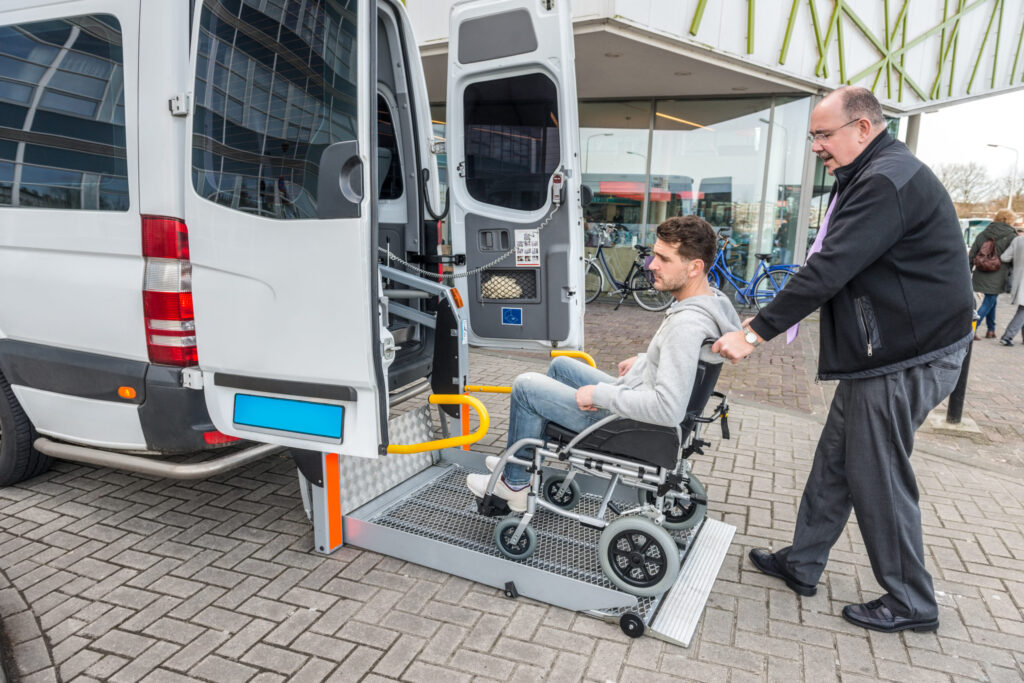
A family may have one vehicle, an unreliable vehicle, or no vehicle large enough to transport a passenger and mobility equipment. Vehicle problems can become urgent when an appointment cannot be postponed.
The transportation problem:
- A car may be unavailable during work hours.
- The vehicle may not fit a wheelchair or walker.
- Repairs may create unexpected transportation gaps.
- Multiple family members may need the vehicle at the same time.
How NEMT helps:
Use non emergency medical transportation near me when a medical appointment requires a dependable vehicle and planned assistance. Book as early as possible, especially for longer trips or recurring appointments.
Prepare the appointment address, pickup address, passenger details, mobility needs, and return-trip information. Ask about service areas, scheduling requirements, and payment options before confirming the ride.
7. Caregivers Who Cannot Take Time Off Work
Caregivers often coordinate appointments, medications, meals, and household tasks. They may want to provide every ride but cannot leave work for each medical visit.
The transportation problem:
- Appointments may last several hours.
- Treatment schedules may conflict with work shifts.
- Caregivers may have other family responsibilities.
- Last-minute schedule changes can create missed appointments.
How NEMT helps:
Arrange transportation directly with the provider and share the passenger’s care instructions. Confirm whether the driver provides door-to-door assistance, where the passenger will be picked up, and how the return trip will be handled.
A caregiver can remain available by phone while the passenger travels with scheduled transportation. Ask the medical office whether someone must accompany the passenger during the appointment. Transportation assistance does not replace a required medical escort.
8. Rural Residents in Northeast North Carolina
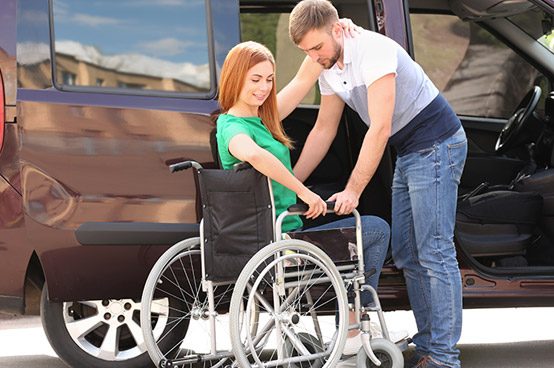
Many residents in Northeast North Carolina travel long distances for specialty care. Rural communities may have limited public transportation, fewer nearby providers, and longer travel times to hospitals or treatment centers.
The transportation problem:
- Bus routes may be limited or unavailable.
- Medical facilities may be outside the immediate community.
- Long trips may be difficult for older adults or people with disabilities.
- Family members may need to miss an entire workday to provide transportation.
How NEMT helps:
Contact a provider early and confirm whether the pickup and destination fall within the service area. Provide the exact facility address and appointment time. Ask about scheduling requirements for longer-distance trips.
Use Ivel 7 Medical Transport’s booking page to request a ride. For questions about service availability, contact the company through its contact page.
How to Decide if NEMT Is Appropriate
Consider NEMT when the passenger:
- Cannot safely drive.
- Cannot use standard public transportation.
- Uses a wheelchair, walker, cane, or other mobility device.
- Needs repeated transportation for treatment.
- Is recovering from surgery or an injury.
- Needs assistance entering or exiting a vehicle.
- Lives where public transit is limited.
- Needs a planned ride to or from a medical appointment.
NEMT is not emergency transportation. Call 911 for chest pain, severe breathing problems, uncontrolled bleeding, serious injury, sudden weakness, or another emergency.
What to Provide When Booking
Prepare these details:
- Passenger name and phone number.
- Pickup address and access instructions.
- Medical facility name and complete address.
- Appointment date and time.
- Return-trip requirements.
- Mobility device information.
- Assistance needs.
- Escort or caregiver information.
- Payment or insurance details, if applicable.
Medicaid transportation rules and plan benefits can vary. The Centers for Medicare & Medicaid Services provides general information about NEMT, while KFF’s state transportation data identifies North Carolina Medicaid transportation as a benefit arranged through local systems. Confirm current eligibility, authorization, and scheduling rules with the health plan or county agency.
Schedule a Medical Ride
NEMT can help older adults, patients with disabilities, people receiving recurring treatment, post-surgical patients, bariatric passengers, families, caregivers, and rural residents reach necessary care.
Start by identifying the passenger’s mobility and assistance needs. Then confirm the vehicle type, service area, appointment details, and return trip.
Review NEMT services from Ivel 7 Medical Transport or book a ride online.