

 8801 Fast Park Dr Suite
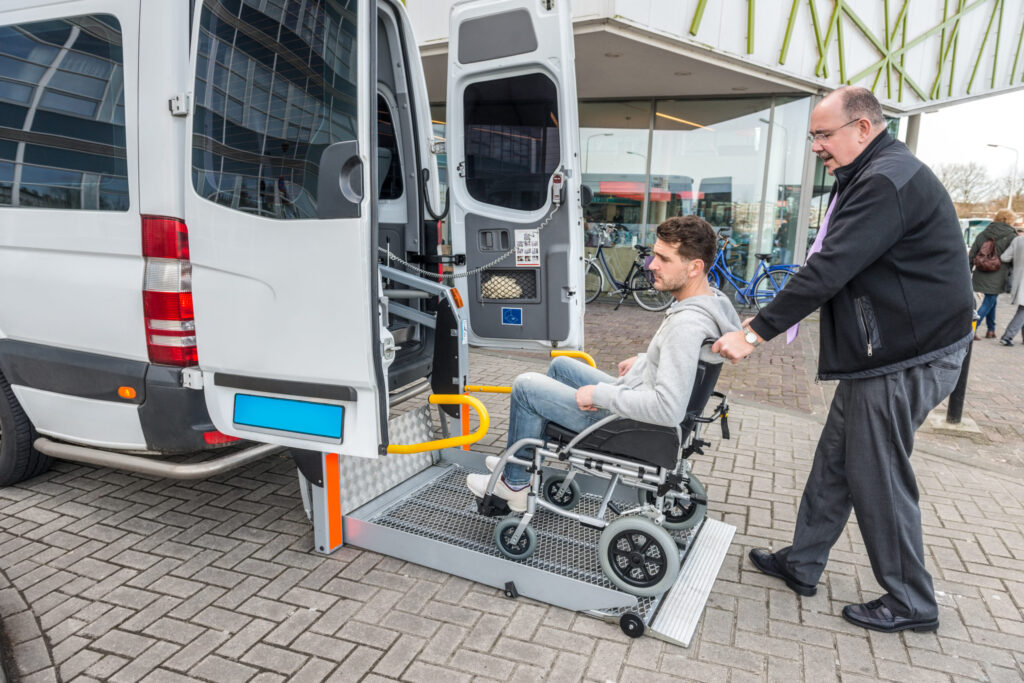
Ambulatory transportation is a type of non-emergency medical transportation for passengers who can walk or transfer into a vehicle with little assistance. The passenger does not need a wheelchair van or stretcher. However, the passenger may not be able to drive safely because of age, illness, medication, injury, disability, or limited access to a reliable vehicle.
This service can help patients in Raleigh, Durham, and surrounding communities reach doctor’s appointments, therapy sessions, dialysis, hospital visits, and other healthcare needs.
Use this guide to identify whether ambulatory transportation is appropriate. Learn when to request more support.
What Is Ambulatory Transportation?
Ambulatory transportation is designed for passengers who can:
- Walk from the home entrance to the vehicle.
- Stand and sit safely.
- Enter and exit a standard vehicle.
- Remain seated upright during the trip.
- Transfer with minimal assistance when needed.
- Follow basic safety instructions during boarding and travel.
The passenger may use a cane, walker, or other walking aid. The passenger may also need a steady arm, help with a vehicle door, or extra time to sit down.
Ambulatory transportation is not the same as driving yourself. A passenger may be able to walk but still should not operate a vehicle. For example, a person may have a temporary restriction after surgery, experience weakness after dialysis, take medication that affects alertness, or have difficulty navigating traffic.
Review Ivel 7 Medical Transport’s services to see how ambulatory, door-to-door, and other transportation options support medical travel.
Who Can Use Ambulatory Transportation?
Ambulatory transportation may be suitable for the following passengers.
Older adults who no longer drive
Some seniors can walk independently but no longer drive safely. Vision changes, slower reaction times, medication effects, or difficulty managing traffic can make driving unsuitable.
Senior medical transportation provides a safer alternative for planned healthcare trips. It can support transportation to:
- Primary care appointments.
- Specialist visits.
- Physical therapy.
- Rehabilitation.
- Diagnostic testing.
- Dialysis.
- Hospital admissions and discharges.
Patients recovering from an injury or procedure
A patient may be able to walk after surgery or an injury but still need transportation support. The patient may not be ready to drive, lift a mobility device, or manage a long trip.
Ask the healthcare provider whether the patient can sit upright, walk short distances, and transfer into a vehicle. Share any restrictions with the transportation provider before booking.
Patients with chronic health conditions
Some chronic conditions affect energy, balance, or endurance. A patient may walk at home but become tired during a longer trip. Ambulatory transportation can reduce the need to drive, park, walk through large facilities, or manage public transportation.
Tell the provider if the patient:
- Needs frequent rest breaks.
- Has balance concerns.
- Becomes weak after treatment.
- Uses oxygen or other medical equipment.
- Needs help with stairs or long walkways.
The provider can then confirm whether ambulatory transportation is enough.
Patients attending recurring treatments
Patients who attend dialysis, therapy, or other recurring appointments may need a dependable transportation routine. Ambulatory service may work when the patient can enter and exit a vehicle safely before and after treatment.
Transportation needs can change. A patient may need ambulatory service before treatment but more assistance afterward. Explain this when scheduling each trip or setting up a recurring ride.

Ambulatory vs. Wheelchair vs. Stretcher Transportation
Select the service based on the passenger’s actual mobility needs. Do not select ambulatory transportation only because the passenger owns a wheelchair. Consider how the passenger will travel from the home to the vehicle and from the vehicle to the destination.
Ambulatory transportation
Choose ambulatory transportation when the passenger can:
- Walk or stand with little assistance.
- Sit in a regular passenger seat.
- Transfer safely into the vehicle.
- Remain upright during the trip.
- Use a cane or walker without needing a lift or ramp.
The mobility aid may need to be folded and stored in the vehicle. Confirm this before booking.
Wheelchair transportation
Choose wheelchair transportation when the passenger:
- Must remain in the wheelchair during the trip.
- Cannot safely transfer to a standard vehicle seat.
- Cannot walk from the entrance to the vehicle.
- Needs a ramp or lift.
- Uses a wheelchair that cannot be safely folded or stored.
A wheelchair-accessible vehicle allows the passenger to remain seated in the wheelchair. The wheelchair must be secured before the vehicle moves.
If the passenger can transfer but has difficulty walking long distances, ask whether a wheelchair-accessible vehicle or ambulatory service with extra assistance is more suitable. Provide accurate information about the passenger’s ability to stand, walk, and transfer.
Stretcher transportation
Stretcher transportation is for passengers who must remain lying down during travel. It may be appropriate when a passenger cannot sit upright but is medically stable and does not need emergency care.
A stretcher is not the same as an ambulance. Call 911 for an emergency, severe distress, or a need for continuous emergency medical care. Do not book standard NEMT for an unstable medical condition.
What Driver Assistance Should You Expect?
Confirm the assistance level before booking. Ambulatory transportation usually provides transportation and limited boarding support. The exact service may vary by provider and trip.
Ask whether the driver will:
- Meet the passenger at the exterior door.
- Walk with the passenger to the vehicle.
- Help open or close doors.
- Provide an arm for balance.
- Assist with entering and exiting the vehicle.
- Store a folded walker or cane.
- Escort the passenger to the facility entrance.
- Wait during the appointment.
- Assist with the return trip.
Do not assume that every provider offers hands-on assistance inside a residence or healthcare facility. State the required support clearly.
For example, say:
> “The passenger can walk with a walker but needs help from the front door to the vehicle. The passenger can sit in a standard vehicle seat.”
This description gives the dispatcher useful information. Avoid using only the word “ambulatory” if the passenger has balance, stair, or transfer concerns.
Read Door-to-Door vs. Curb-to-Curb: Which Medical Transport Level Is Right? for more information about pickup and escort levels.
When Should You Request More Support?
Select door-to-door, door-through-door, or wheelchair service when ambulatory transportation does not provide enough support.
Request more assistance if the passenger:
- Has fallen recently.
- Has significant balance problems.
- Cannot walk across a driveway or parking area.
- Must use stairs and cannot manage them safely.
- Becomes confused or disoriented.
- Cannot open doors or manage a walker.
- Needs physical assistance to stand.
- Cannot transfer safely into a standard vehicle.
- Must remain in a wheelchair.
- Cannot sit upright for the entire trip.
A patient may still be able to walk but require door-through-door support. This service may be appropriate when the passenger needs an escort from inside the home to the vehicle or from the vehicle into the facility.
Choose wheelchair transportation when the passenger cannot safely transfer or must remain in the wheelchair during travel.
Contact the transportation provider if the passenger’s condition changes. Reassess the service before the next trip.
How to Book Ambulatory Transportation
Use the following process to schedule a medical transportation ride in Raleigh or Durham.
1. Confirm the appointment
Record the date, appointment time, facility address, department, and expected appointment length. Ask whether the patient needs a return trip or an estimated pickup time.
2. Assess the passenger’s mobility
Answer these questions:
- Can the passenger walk from the door to the vehicle?
- Can the passenger stand and sit safely?
- Can the passenger transfer into a standard seat?
- Does the passenger use a cane or walker?
- Can the passenger remain upright during the trip?
- Does the passenger need hands-on support?
Use the answers to select ambulatory, wheelchair, or another level of service.
3. Share trip details
Tell the provider about:
- Stairs.
- Long walkways.
- Apartment buildings.
- Elevators.
- Gated communities.
- Mobility devices.
- Oxygen or other equipment.
- Language or communication needs.
- A caregiver or companion who will ride along.
Provide the exact pickup location. Include building numbers, entrance instructions, and facility check-in details.
4. Confirm the service level
Ask the provider to repeat the scheduled service. Confirm whether the ride is curb-to-curb, door-to-door, or door-through-door.
Ask about the vehicle type, driver assistance, wait time, cancellation policy, payment, and companion policy.
You can book a ride with Ivel 7 Medical Transport or contact the team with questions about the appropriate service.

Coverage and Payment Questions
Coverage depends on the patient’s insurance plan, eligibility, medical need, and transportation benefit. Private-pay services may have separate rates and scheduling requirements.
Medicaid members in Durham County can review transportation information through Durham County Social Services. Contact the health plan or county office to confirm eligibility, required forms, approved providers, and covered service levels.
Ask these questions before scheduling:
- Is ambulatory transportation covered?
- Is door-to-door or wheelchair service covered?
- Is prior approval required?
- Can a caregiver ride along?
- What information must the healthcare provider submit?
- What is the private-pay rate if coverage is unavailable?
Final Checklist
Ambulatory transportation may be the correct choice when the passenger can walk, transfer, and sit safely with minimal help.
Use this checklist before booking:
- Confirm that the passenger can enter and exit a standard vehicle.
- Identify any cane, walker, balance, or stair needs.
- Request door-to-door support when curb-to-curb service is not safe.
- Request wheelchair transportation when the passenger cannot transfer or must remain in the wheelchair.
- Request stretcher transportation when the passenger must remain lying down.
- Call 911 for emergencies or unstable medical conditions.
- Confirm the service level with the provider before the appointment.
Reliable non-emergency medical transportation can help patients reach care without driving themselves. Select the service based on the passenger’s current ability, not on past mobility. When in doubt, provide detailed information and ask the transportation provider to recommend the safest available option.